Zoho CRM in 2026: Strategic Overview and Market Position
Zoho CRM has quietly become one of the most capable CRM platforms for small and mid-sized businesses — not because it leads on design, but because it aggressively undercuts the competition on price while delivering feature depth that rivals Salesforce and HubSpot. As of 2026, the platform serves companies across 180+ countries, with continued investment in AI, automation, and a full business suite ecosystem (CRM, Mail, Books, Desk, Assist).
The 2025 updates — including enhanced AI-powered sales assistant Zia, unified email threading, WhatsApp Business integration, and improved dashboards — signal that Zoho is doubling down on automation and AI-led selling. If you're evaluating CRM tools and you run a budget-conscious team that can tolerate a steeper learning curve, Zoho deserves serious consideration. This guide breaks down exactly where it wins, where it falls short, and who it's built for.
Zoho CRM Pros: Where It Genuinely Wins
1. Pricing That Destroys the Competition
The Standard plan starts at €20/user/month (~$22 USD) and includes workflow automation, mass email, custom modules, and reporting. For context, Salesforce's equivalent tier runs 8–10x that amount. HubSpot's Sales Hub Professional starts at $90/user/month. For SMBs with 5–25 users, this cost differential compounds fast — a 10-person team pays roughly $2,640/year on Zoho Standard vs. $10,800/year on HubSpot Professional.
2. AI-Powered Selling with Zia
Zia, Zoho's AI sales assistant, received significant upgrades in May 2025. The updated lead scoring algorithm now provides more accurate predictions of lead value, helping sales teams prioritize the right prospects rather than chasing cold contacts. New sentiment analysis capabilities scan email and chat conversations to flag at-risk deals or frustrated customers before they churn. These are features typically locked behind enterprise-tier pricing in other platforms.
3. Full Business Suite Ecosystem
Zoho CRM doesn't exist in isolation — it's part of a modular ecosystem including Zoho Mail, Zoho Books (accounting), Zoho Desk (support), and Zoho Assist (remote support). For a growing company, this eliminates multiple SaaS subscriptions. Teams that go all-in on Zoho One (the full suite) pay approximately $37/user/month for 40+ apps, which is remarkable value. If you're currently paying separately for a CRM, email marketing tool, and helpdesk, the consolidation savings alone can justify the switch.
4. Deep Customization and Automation
Zoho's workflow builder supports conditional logic, automated notifications, and multi-step process automation without needing a developer. Custom modules, field-level permissions, and role hierarchies make it adaptable to complex org structures. The May 2025 updates extended these capabilities with improved automation triggers and process optimization tools. For teams already using tools like Make or Zapier for external automations, Zoho's native automation reduces how much you need to rely on third-party connectors.
5. Robust Reporting and Dashboards
Advanced reporting with custom KPIs, real-time data visualization, and pipeline analytics is available even on mid-tier plans. The 2025 update improved dashboard flexibility, allowing teams to track custom metrics without exporting to spreadsheets. For sales managers who need live pipeline visibility without paying for a separate BI tool, this is a genuine advantage.
Zoho CRM Cons: Where It Falls Short
1. The Interface Feels Dated
This is the most consistently cited complaint, and it's legitimate. Zoho's UI design hasn't kept pace with modern SaaS standards. Navigation between modules requires multiple clicks, visual hierarchy is inconsistent, and the overall aesthetic — as one 6-month hands-on review put it — "feels like it's stuck in 2015." A 5-person sales team evaluated in testing took a full week to feel comfortable with basic workflows. Compare this to Close or Pipedrive, where reps are productive within a day or two, and the gap is significant.
2. Steep Learning Curve at Setup
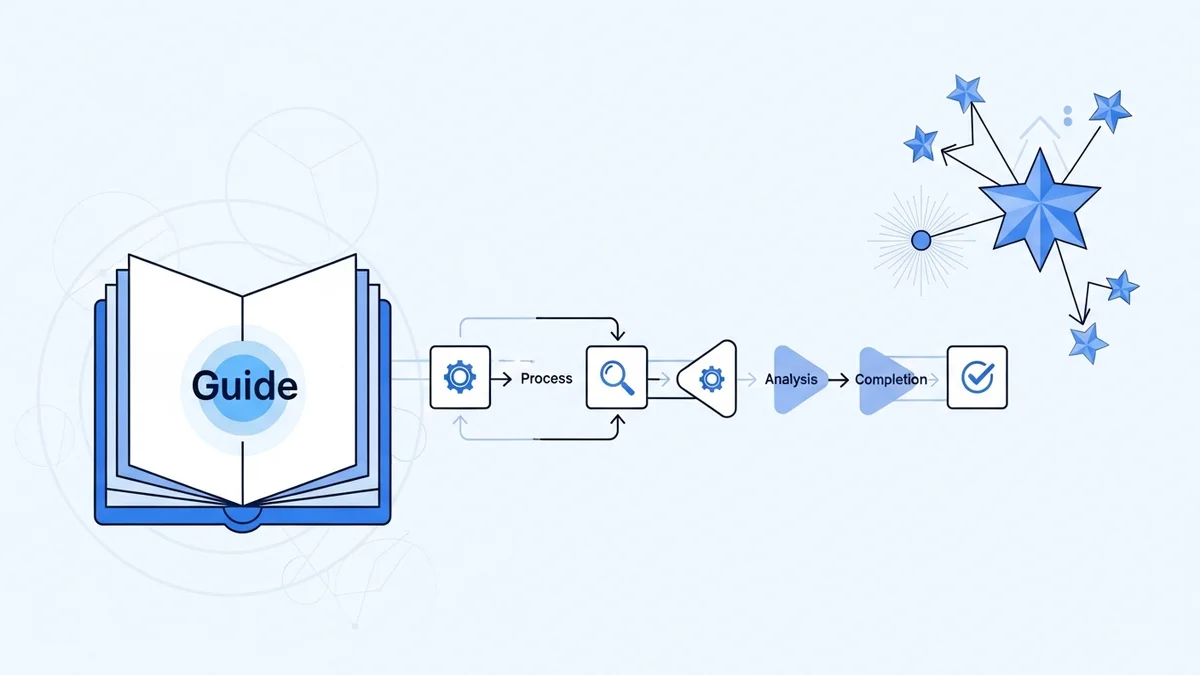
Initial configuration can take 2–3 hours just to understand where core features live, and that's before data migration, permission setup, and automation configuration. Zoho's implementation checklist for SMBs involves: planning and discovery, requirements scoping, user onboarding, data migration, basic automation setup, crosscheck, training, and ongoing monitoring. For a small team without a dedicated ops person, this is a real cost even if the software is cheaper.
Newsletter
Get the latest SaaS reviews in your inbox
By subscribing, you agree to receive email updates. Unsubscribe any time. Privacy policy.
3. Mobile App Is Functional, Not Excellent
The Zoho CRM mobile app works — you can log calls, update records, and view pipeline — but it carries the same UX friction as the desktop version. Field sales teams that live in their mobile app will find the experience clunky compared to mobile-first CRMs. This is a meaningful consideration if your reps are primarily on the road.
4. Support Quality Is Inconsistent
Zoho's support tier system means lower-plan users often rely on documentation and community forums rather than live support. For complex implementations, most practitioners recommend working with a Zoho Authorized Implementation Partner rather than relying on Zoho support directly — an added cost that partly offsets the platform's pricing advantage.
5. Integration Ecosystem Requires More Work
While Zoho integrates with major tools, connecting non-native apps often requires middleware. Teams that need tight connections to niche tools or custom APIs will find themselves reaching for n8n or Zapier more frequently than with HubSpot. The native integration library is strong for common tools but thinner for specialized verticals.
Zoho CRM Pricing: Real Numbers Across Plans
| Plan | Price (per user/month) | Key Features Included | Best For |
|---|---|---|---|
| Free | $0 (up to 3 users) | Leads, contacts, accounts, basic tasks | Solo operators or 2-person teams testing the platform |
| Standard | ~$20/user/month | Workflow automation, mass email, custom modules, basic reporting | SMBs needing automation without enterprise cost |
| Professional | ~$35/user/month | Blueprint process management, inventory, SalesSignals | Teams with structured sales processes and inventory needs |
| Enterprise | ~$50/user/month | Zia AI, advanced analytics, multi-currency, custom functions | Mid-market teams needing AI-led selling and deep customization |
| Ultimate | ~$65/user/month | Enhanced storage, premium support, advanced BI | Larger organizations needing full data capabilities |
Note: Zoho One (all 40+ apps) costs approximately $37/user/month when billed annually for the all-employee plan — a compelling option if you plan to adopt multiple Zoho products.
Zoho CRM vs. Key Competitors
| Platform | Starting Price | UI Quality | AI Features | Customization Depth | Best Fit |
|---|---|---|---|---|---|
| Zoho CRM | $20/user/mo | Functional but dated | Zia (lead scoring, sentiment) | Very High | Budget-conscious SMBs |
| Freshsales | $15/user/mo | Modern, clean | Freddy AI (basic) | Medium | Teams prioritizing UX |
| Close | $49/user/mo | Excellent | Call coaching, pipeline insights | Low-Medium | Inside sales, high-volume calling |
| Copper CRM | $23/user/mo | Clean, Google-native | Basic | Low | Google Workspace-first teams |
| Salesforce | $165/user/mo | Powerful but complex | Einstein AI (advanced) | Extremely High | Enterprise with dedicated admins |
Who Should Use Zoho CRM (and Who Shouldn't)
Zoho CRM Is the Right Call If:
- You're a 5–50 person company with a defined sales process and limited CRM budget
- You want a full business suite (CRM + accounting + support + email) without managing multiple vendors
- Your team can invest 1–2 weeks in proper onboarding and configuration — the ROI is real once you're set up
- You need advanced automation and AI lead scoring without paying Salesforce prices
- You're considering pairing it with Make or Zapier for external workflow automation — Zoho's native webhooks and API make this straightforward
Consider Alternatives If:
- Your reps are mobile-first — the app experience will frustrate them daily
- You need fast time-to-value with minimal configuration (look at Freshsales or Close instead)
- UX is a top priority and you'd rather pay a premium for polish
- Your team is heavily Google Workspace-embedded — Copper CRM's native Gmail integration is a better fit
Common Mistakes When Implementing Zoho CRM
Mistake 1: Skipping the Implementation Checklist
Teams that go live without a structured implementation plan consistently struggle with data quality and user adoption. A proper Zoho implementation follows eight distinct phases — from planning and discovery through to continuous monitoring. Skipping data migration validation, for example, results in duplicate records that corrupt pipeline reporting for months. Budget 2–4 weeks for setup before going live, not 2–4 days.
Mistake 2: Ignoring Role Hierarchy and Permissions Early
Zoho's permission system is powerful but complex. Teams that assign everyone admin access at launch find themselves unable to enforce data governance later — reps can overwrite each other's records, corrupt forecasts, and see data they shouldn't. Set role hierarchies and field-level permissions in week one, before your team has learned to work around them.
Mistake 3: Not Using Zia Until the Enterprise Plan
Many SMBs buy the Standard or Professional plan and never access Zia's AI features because they're gated to Enterprise tier. If AI-driven lead scoring and sentiment analysis are part of your evaluation criteria, factor the Enterprise plan price ($50/user/month) into your comparison — not the Standard price. Buying Standard and expecting AI features is a common and frustrating misunderstanding.
Mistake 4: Rebuilding External Automations Instead of Using Native Tools
Companies migrating from tool stacks that used Zapier or Make for CRM automation often rebuild those same flows externally when Zoho's native workflow engine can handle them without the added subscription cost. Audit your existing automations before setting up external connectors — the majority of standard CRM workflows (lead assignment, follow-up reminders, pipeline stage triggers) can run natively in Zoho without touching Zapier or Make at all.
Mistake 5: Underestimating Training Time
Zoho's depth is a feature, but it comes with a cost in training time. A real-world test of onboarding a 5-person sales team found it took a full week before they were comfortable with basic daily workflows. Plan for structured training — not just a help doc link — and budget for it. Teams that skip formal training see lower CRM adoption, which defeats the entire purpose of the investment.
Final Verdict: Is Zoho CRM Worth It in 2026?
Zoho CRM earns its reputation as the best-value CRM for budget-conscious SMBs willing to invest in proper setup. The 2025 updates — stronger Zia AI, unified email threads, WhatsApp integration, and improved dashboards — make it more competitive than ever at the price point. The interface remains a legitimate weakness, and the learning curve is real. But for a 10–30 person team that needs automation depth, AI-led selling, and a full business suite without enterprise pricing, Zoho delivers ROI that competitors at the same price tier simply can't match.
If you're evaluating CRM options alongside broader automation needs, also consider how Zoho pairs with external workflow tools. For teams needing complex multi-app automations, Make and n8n both integrate cleanly with Zoho's API and can extend native capabilities significantly. For lighter integration needs, Zapier remains the fastest path to connecting Zoho with the rest of your stack.