
What Is Zapier and Why It Dominates Workflow Automation in 2026
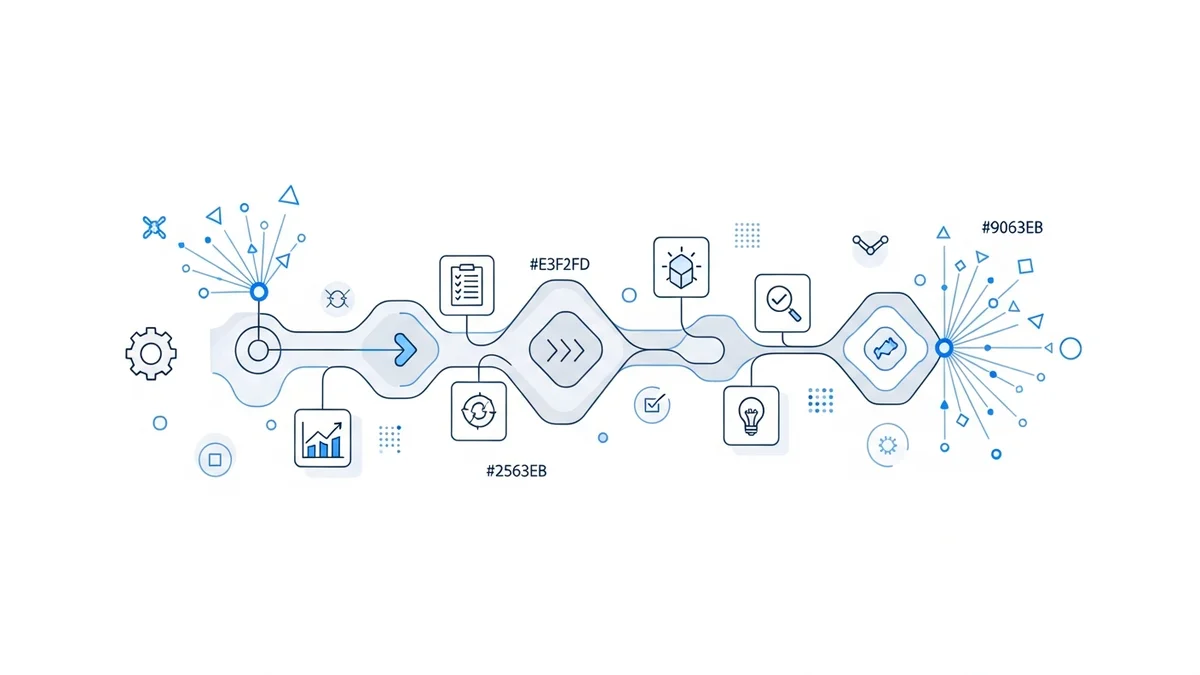
Founded in 2011, Zapier has grown into the backbone of no-code workflow automation for businesses of all sizes. At its core, Zapier connects over 7,000 web applications through automated workflows called "Zaps" — each consisting of a trigger (an event in one app) and one or more actions (responses in other apps). No developer required.
In 2026, the competitive automation landscape has intensified. Tools like Make and n8n compete aggressively on price and flexibility, while enterprise players like Workato dominate complex IT workflows. Zapier's edge remains its unmatched app library, ease of use, and increasingly capable AI layer — making it the default starting point for most businesses moving away from manual processes.
This guide covers every major Zapier feature, how to use them strategically, where Zapier fits against alternatives, and the specific mistakes that waste money and time.
Core Zapier Features Every Business Should Understand
Zaps: Trigger-Action Workflows
A Zap is the fundamental unit of Zapier automation. Every Zap has exactly one trigger and at least one action. For example: when a new lead fills out a Typeform (trigger) → add them to HubSpot CRM + send a Slack notification + enroll in an email sequence (three actions). Multi-step Zaps are available on paid plans and are where most real business value is unlocked.
Filters and Paths
Filters let you add conditions to a Zap so it only runs when specific criteria are met — for instance, only processing leads from a specific country or above a certain deal value. Paths (available on Professional plan and above) allow branching logic, similar to if/else statements, enabling a single Zap to handle multiple scenarios without duplicating workflows. This is critical for sales and HR teams managing diverse data inputs.
Formatter
Zapier Formatter is a built-in data transformation tool that lets you manipulate text, numbers, and dates without code. Common uses include splitting full names into first/last, converting date formats between systems, extracting numbers from strings, and reformatting phone numbers. Without Formatter, data mismatches between apps cause silent workflow failures — one of the most underappreciated features for teams syncing data across CRMs and spreadsheets.
Delay and Schedule Steps
Delay steps pause a Zap for a set period — minutes, hours, or days — before continuing. Schedule by Zapier allows you to trigger Zaps at regular intervals (hourly, daily, weekly) rather than waiting for an app event. These features are essential for time-sensitive workflows like follow-up sequences, recurring report generation, and scheduled data exports.
Zapier Tables and Interfaces
Zapier Tables is a built-in database product that lets you store, update, and query data directly within Zapier — eliminating the need to route everything through Google Sheets or Airtable. Zapier Interfaces allows you to build simple internal-facing forms and portals that trigger Zaps directly. Together, these turn Zapier from a connector into a lightweight app-building platform.
AI Actions and Zapier Agents
Zapier's AI layer, expanded significantly in 2025–2026, includes: AI-powered Zap suggestions, natural language Zap creation ("create a zap that sends Slack messages when Stripe payments fail"), and Zapier Agents — autonomous AI bots that can reason across multiple apps to complete open-ended tasks. For HR use cases, this means agents that can screen resumes, route candidates, and send personalized follow-ups without a human touching each step. For sales, agents handle lead research, enrichment, and outreach sequencing automatically.
Zapier Pricing: What Each Plan Actually Gets You
| Plan | Monthly Price | Tasks/Month | Key Features | Best For |
|---|---|---|---|---|
| Free | $0 | 100 | Single-step Zaps, 5 Zaps max | Testing, very basic workflows |
| Professional | $19.99/month | 750–2,000 | Multi-step Zaps, Filters, Paths, Formatter | Freelancers, small teams |
| Team | $69/month | 2,000–50,000 | Shared workspaces, unlimited users, SSO | Growing teams (5–50 people) |
| Enterprise | Typically $750+/month | Custom | Advanced admin, audit logs, dedicated support | Large orgs with compliance needs |
The critical pricing gotcha: Zapier charges per task, not per Zap. A 4-step Zap that runs 500 times consumes 2,000 tasks. Teams frequently underestimate consumption when building complex multi-step workflows, leading to unexpected overages. Monitor your task usage dashboard weekly during the first month of any new automation build.
Newsletter
Get the latest SaaS reviews in your inbox
By subscribing, you agree to receive email updates. Unsubscribe any time. Privacy policy.
The Most Valuable Zapier Use Cases by Department
Sales: From Lead Capture to CRM Without Manual Entry
The single highest-ROI Zapier use case for most businesses is the lead-to-CRM pipeline. A web form submission triggers Zapier to: create a contact in your CRM, assign to a sales rep based on territory or product interest, send a personalized acknowledgment email, and post a notification in Slack with lead details. Teams using this approach eliminate 2–4 hours of daily data entry per sales rep.
Zapier integrates directly with Freshsales and Close, making it straightforward to push qualified leads from marketing channels into active sales pipelines with full context attached. Combined with Clay for data enrichment (recommended by Zapier's own testing team), enriched lead data flows automatically into your CRM before a rep even opens the record.
HR: Onboarding and Offboarding Automation
HR teams manage some of the highest volumes of repetitive, cross-system tasks in any organization. Zapier is ranked as a top tool for AI orchestration across HR stacks — specifically for connecting your ATS, HRIS, payroll system, and communication tools. A practical onboarding Zap fires when a new hire is marked "active" in BambooHR, then: creates their Slack account, sends a welcome email sequence, creates accounts in relevant SaaS tools, and notifies IT to provision hardware.
Offboarding is the mirror: when an employee is terminated, Zapier can trigger account deprovisioning across tools, archive their data, and notify payroll — reducing the security window of active credentials for departed employees from days to minutes.
Marketing: Lead Nurturing and Campaign Sync
Marketing teams use Zapier to keep campaign data synchronized across ad platforms, email tools, and analytics. Common workflows include: syncing Facebook Lead Ads contacts directly to email lists, sending new subscribers a timed welcome series via delay steps, and logging campaign performance data from multiple channels into a central Google Sheet or Airtable for reporting. For teams using Microsoft Power Automate for internal processes, Zapier handles the external-facing integrations where Power Automate's app library falls short.
Operations: Data Sync and Reporting
Operations teams rely on Zapier to eliminate the "copy-paste tax" — the hours spent moving data between systems that don't natively integrate. Invoice data from Stripe syncing to accounting software, project status updates flowing from project management to client-facing dashboards, and support ticket creation from email threads are all standard Zapier workflows. Schedule by Zapier handles recurring report generation — pulling data, formatting it, and emailing stakeholders every Monday morning without a human touching it.
Zapier vs. Alternatives: When to Choose What
| Tool | Starting Price | Best Use Case | Zapier Advantage | Competitor Advantage |
|---|---|---|---|---|
| Zapier | $0 (Free tier) | Cross-app automation, SMB to mid-market | 7,000+ integrations, easiest setup | — |
| Make | $9/month | Complex logic, data transformation | Simpler for basic workflows | Visual builder, cheaper at scale |
| n8n | $20/month (cloud) or self-host free | Technical teams, custom code needed | No-code accessibility | Unlimited workflows on self-hosted |
| Workato | Typically $10,000+/year | Enterprise IT orchestration | Cost, speed of setup | Enterprise governance, on-prem connectors |
| Activepieces | $0 (open source) / $100/month cloud | Teams wanting open-source flexibility | Larger app ecosystem | Self-hostable, transparent pricing |
| Pipedream | $0 (Free tier) | Developer-led automation with code steps | Non-technical accessibility | Full Node.js/Python support in steps |
The decision framework: If your team is non-technical and needs to be running within a week, Zapier wins. If you're hitting $500+/month in Zapier task costs and your workflows are stable, Make's scenario-based pricing typically cuts that bill by 40–60%. If you need to run custom code inside automation steps, Pipedream or n8n are better fits.
Common Zapier Mistakes and How to Avoid Them
Mistake 1: Not Using Filters, Leading to Runaway Task Consumption
A common scenario: a Zap fires on every new row added to a Google Sheet, including test rows, blank rows, and rows inserted by other Zaps. Without a filter checking that required fields are populated and the row is a real record, a team can burn through thousands of tasks on junk data. Fix: add a Filter step immediately after your trigger that validates the core fields before any actions run.
Mistake 2: Building One Massive Zap Instead of Modular Workflows
Teams often build a single 12-step Zap covering an entire business process. When one step breaks, the entire workflow fails and it's difficult to debug. Better practice: break complex processes into 2–4 smaller Zaps that hand off to each other via a shared data store (Zapier Tables or a Google Sheet). Each Zap handles a discrete phase — capture, enrich, notify, log — making troubleshooting fast and isolated.
Mistake 3: Ignoring Error Notifications
By default, Zapier sends error emails but many users ignore or filter them. A Zap that fails silently for three days can mean hundreds of lost leads, missed notifications, or unsynchronized data. Enable Zapier's error monitoring, set up a dedicated Slack channel for Zap errors, and review your Zap history dashboard weekly. For mission-critical workflows, build a separate "watchdog" Zap that alerts you if a key Zap hasn't run in the expected time window.
Mistake 4: Using Zapier for High-Volume, Real-Time Data Sync
Zapier's free and Professional plans have polling triggers — they check for new data every 1–15 minutes, not in real time. Using Zapier to sync inventory levels across e-commerce platforms or process payment events with sub-minute latency will result in lag and errors. For real-time, high-volume data pipelines, use dedicated integration platforms or webhook-based tools. Zapier is optimized for event-driven, moderate-volume workflows — not continuous data streaming.
Mistake 5: Skipping the Test Step Before Activating
Zapier's workflow builder includes a test function for each step that shows exactly what data will flow through. Teams frequently skip this, activate the Zap, and discover hours later that a Formatter step output the wrong format, causing downstream steps to fail or write corrupt data to their CRM. Always test with real sample data before activating, especially when Formatter, Paths, or webhooks are involved.
Building a Zapier Automation Strategy for 2026
Start With an Automation Audit
Before building Zaps, document every manual task your team repeats more than three times per week. Categorize by time cost, error frequency, and strategic impact. Prioritize automating tasks that are both high-volume and error-prone — data entry between disconnected systems is the classic example. This prevents building automations for tasks that are actually faster done manually.
Establish Naming and Organization Standards
Teams with more than 20 active Zaps need naming conventions. A consistent format like [Department] | [Trigger App] → [Action App] | [Purpose] makes it possible to find, audit, and maintain workflows as your stack evolves. Use Zapier's folder structure to organize Zaps by team and function. Without this, Zap sprawl becomes a real governance problem — especially when employees who built workflows leave the company.
Plan for Scale Before You Hit the Wall
The Professional plan's 2,000 task ceiling is reachable faster than most teams expect. A single onboarding workflow for 100 new hires per month, if it's 8 steps, consumes 800 tasks monthly from that one process alone. Map out your expected monthly task volume across all workflows before committing to a plan tier, and build in a 30% buffer for workflow complexity growth over six months.
For teams serious about workflow automation as a competitive advantage, Zapier's combination of breadth, AI capabilities, and no-code accessibility remains the strongest starting point in the market. Pair it with a clear governance process and a realistic understanding of its cost model, and it will compound value across every department in your business.